
If you’ve been searching for arthritis pain relief without opioids, you’ve probably come across CBD cream. It’s everywhere now. Pharmacies stock it, wellness brands push it, and people in online forums swear by it. But how much of that is real, and how much is hype?
Let’s go through the actual facts.
What Is CBD Cream and How Does It Work?
CBD (cannabidiol) is a compound found in the hemp plant. Unlike THC, it doesn’t get you high. When made into a topical product, it’s applied directly to the skin over a painful joint.
The idea behind topical CBD for joint pain is that it works locally. You’re not swallowing a pill that has to travel through your digestive system. Instead, cannabidiol cream is designed to absorb through the skin and interact with cannabinoid receptors near the surface. This is what researchers call transdermal cannabidiol application, and it bypasses the bloodstream almost entirely.
That matters for a few reasons. It means lower risk of systemic side effects. It also means the effects stay local, which is exactly what most arthritis sufferers want. You’re not trying to sedate your whole body. You want the knee, the wrist, or the knuckles to hurt less.
The body has what’s called the endocannabinoid system. This is a network of receptors spread throughout your tissues, including skin, muscle, and nerve fibers. When CBD connects to these receptors, it may help reduce the signaling that causes pain and swelling. That’s the science behind using cannabidiol cream for inflammation.
What Does the Research Actually Say
This is where people need to slow down and read carefully.
There is genuine peer-reviewed CBD pain research. Animal studies have shown clear anti-inflammatory effects. A 2019 study published in the European Journal of Pain found that CBD applied topically reduced swelling and pain behaviors in rats with arthritis. Human clinical evidence is thinner, but it does exist.
A small human trial found that people with peripheral neuropathy reported significant pain reduction after using topical CBD. Other CBD cream clinical evidence has focused on inflammatory skin conditions, where it showed clear anti-inflammatory hemp topical activity.
The honest takeaway? The early science is promising. But large-scale randomized controlled trials on humans specifically for osteoarthritis and rheumatoid arthritis are still limited. Anyone telling you CBD cream is a proven cure is getting ahead of the evidence. And anyone telling you it’s all placebo is also ignoring what we know.
The placebo effect in CBD research is a real consideration. Some studies struggle to separate genuine CBD bioavailability topical application effects from the simple comfort of rubbing something soothing into a sore joint. Peer pressure, wishful thinking, and the warmth of a cream itself all play a role.
Full Spectrum vs. Broad Spectrum: Does It Matter?
Yes, it does.
Full spectrum CBD topical products contain all the compounds found naturally in the hemp plant, including trace amounts of THC (under 0.3% legally). The theory here is the “entourage effect.” CBD, minor cannabinoids, and terpenes may work better together than in isolation.
A broad spectrum hemp balm keeps most of those compounds but removes THC entirely. This is a good option if you’re drug tested at work or just want to avoid any THC exposure.
Isolate products strip everything except pure CBD. Some people prefer this for its simplicity, but many users and practitioners feel the full or broad spectrum products perform better.
There’s no definitive clinical data declaring a winner here. But from what exists, full spectrum CBD topical formulations tend to get the strongest user reports.
What to Look for in a Product
Not all CBD creams are equal. Far from it.
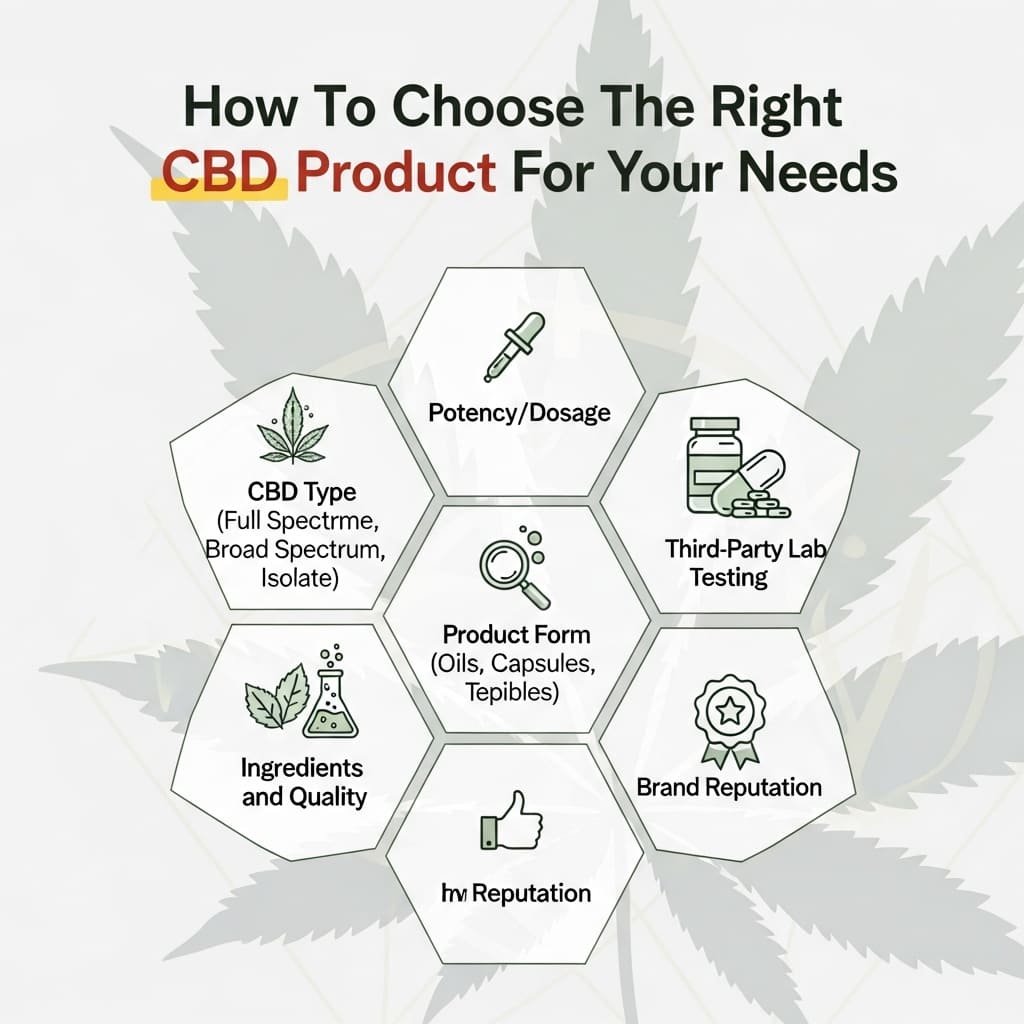
The CBD cream ingredients to look for include a clear milligram amount of CBD (not just “hemp extract”), a carrier like shea butter or coconut oil, and ideally some proven anti-inflammatory additives. Menthol is one example. The menthol vs CBD for pain relief question comes up a lot, and the honest answer is that menthol creates a cooling sensation that temporarily interrupts pain signals. It works differently than CBD, and having both can be beneficial.
What you want to avoid: products that list “hemp seed oil” as the primary ingredient. Hemp seed oil has no CBD. It’s nutritious, but it won’t help your joints.
Always look for third-party tested CBD products. This means an independent lab has verified what’s actually in the cream. The label should either include or link to a Certificate of Analysis (COA). Reputable brands publish these readily.
The question of CBD cream dosage for arthritis is tricky because there’s no standardized guidance. Milligrams per application range wildly across products. Most practitioners suggest starting with a lower-concentration product and applying it two to three times daily, then adjusting from there. Pay attention to CBD bioavailability through the skin, which can vary based on formulation, skin thickness, and how much you massage the product in.
Comparing CBD to Traditional Pain Creams
How does CBD stack up against conventional topicals?
Traditional options like diclofenac gel (a prescription NSAID) have more direct clinical backing for osteoarthritis. Capsaicin cream has decent evidence too. When people compare CBD vs traditional pain creams, CBD’s advantage is its side effect profile. It doesn’t cause the GI issues associated with oral NSAIDs, and for most people, CBD cream side effects are minimal, usually just minor skin irritation.
For people managing rheumatoid arthritis natural treatment options, CBD can be a useful complement to a broader plan. It probably won’t replace disease-modifying drugs for autoimmune-driven arthritis. But as a daily topical for symptom relief, it has a reasonable case.
Real User Results and What They Mean
Real user results CBD arthritis cream reports vary considerably. Some people with knee pain or hand stiffness report noticeable improvement within a few days. Others feel nothing. This variability is not surprising. Arthritis isn’t one condition, pain perception differs between people, and product quality is wildly inconsistent across brands.
What you’re more likely to find useful than anecdotes is looking at verified purchaser reviews on products that are third-party tested and well-formulated. Even then, treat reviews as signals, not guarantees.
Legal Status and FDA Position
Hemp-derived CBD has been federally legal in the US since the 2018 Farm Bill, as long as it contains under 0.3% THC. Hemp derived CBD legality at the state level can still vary, so it’s worth checking your local rules.
The FDA stance on CBD topicals is cautious. The FDA has not approved any CBD cream for the treatment of arthritis. It has approved one CBD-based oral drug (Epidiolex) for epilepsy. For topicals, the agency has so far focused more on regulating misleading health claims than banning the products outright.
What this means practically: you can buy it legally, but companies aren’t allowed to claim it treats or cures arthritis. When you see brands making wild medical promises, that’s a red flag for the overall quality and honesty of the product.
The Bottom Line
CBD cream is not a miracle. It’s also not fake.
There’s real science behind how CBD interacts with pain receptors and the endocannabinoid system and inflammation response. The early clinical evidence for topical cannabidiol is promising, especially for localized pain in conditions like osteoarthritis topical relief and peripheral nerve pain.
If you want to try it, here’s what to do:
Buy a product with a clear CBD milligram count, not just “hemp extract.” Look for third-party lab results. Choose a full spectrum CBD topical or broad spectrum hemp balm depending on your THC preferences. Apply it consistently for at least two to three weeks before judging results.
And keep realistic expectations. CBD cream is a supportive tool, not a replacement for medical treatment. Use it alongside whatever else your doctor has recommended, not instead of it.