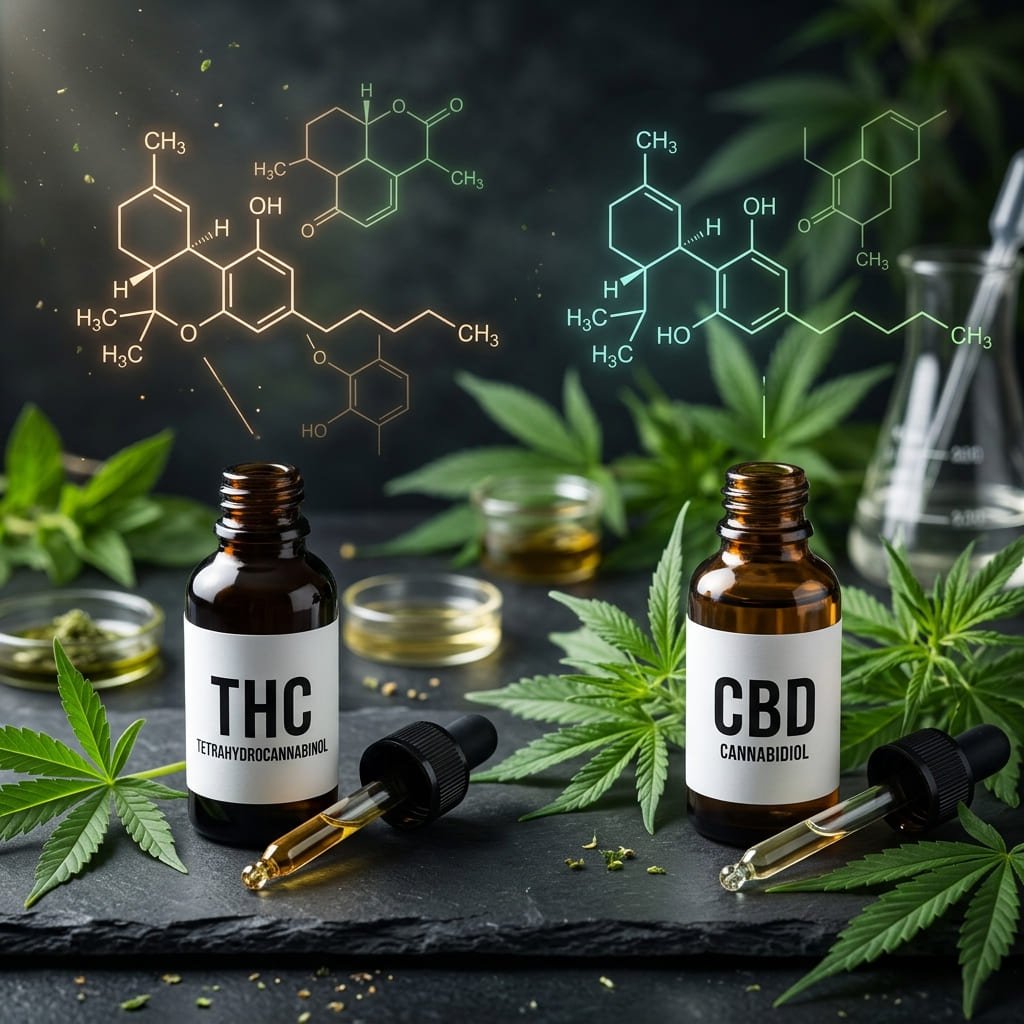

CBD has moved from a niche product to something you can find in pharmacies, gas stations, coffee shops, and online stores. That growth has made life easier for buyers, but it has also filled the market with products that vary a lot in quality. Two bottles can look almost identical on a shelf and still contain very different amounts of CBD, different ingredients, and even things you would never want to swallow or inhale. This article explains why quality matters, what to check before you buy, and how to make a smarter choice.
What Makes a CBD Product Good Quality?
A high quality CBD product does what its label says. The CBD amount is accurate, the ingredients are clean, and nothing harmful has been added or left behind during production. Good quality also means the company is open about how the product was made and tested. CBD product quality is not just a marketing phrase. It affects how the product feels, how well it works for you, and how safe it is over time.
Quality problems in this market are more common than many people expect. Independent testing has repeatedly found products that contain less CBD than advertised, or in some cases, more THC than the label admits. That is why buyers who take the time to check quality usually get better results and fewer surprises.
Why Lab Results Matter Most
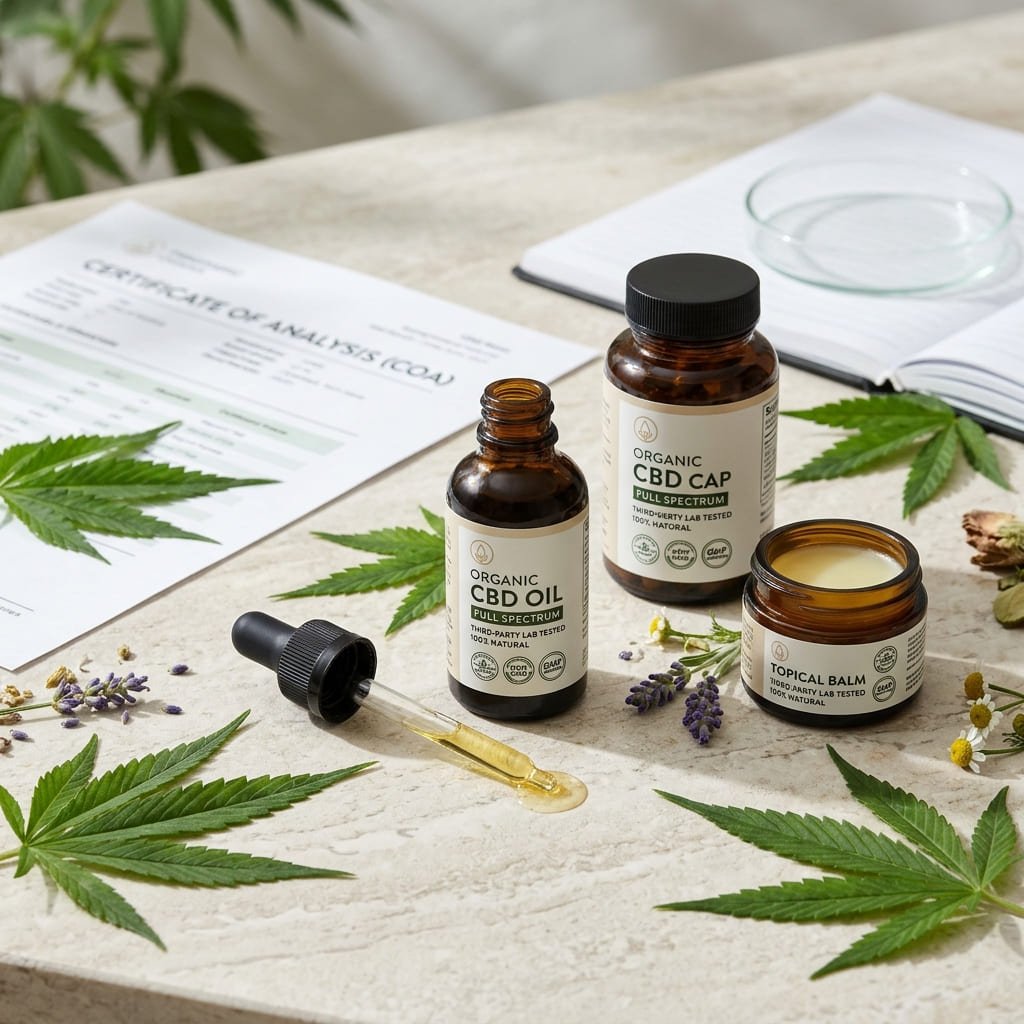
The single most useful thing you can look for is a lab report. A Certificate of analysis CBD, often shortened to COA CBD, is a document that shows what is actually inside a product. It usually lists the CBD potency, the THC level, and results for contaminants. Many buyers never look at these documents, but CBD lab reports are the clearest proof a company can offer.
The most trustworthy reports come from Third party lab testing CBD. This means an independent laboratory tested the product, not the company that sold it. A company running its own tests has an obvious conflict of interest. An outside lab has no reason to make a weak product look strong.
Reading a report does not require a science degree, but it does take a few minutes. Learn How to read a CBD lab report by checking the date, the batch number, and whether the batch number on the report matches the product in your hands. A report that is several years old, or one that does not match your batch, should make you cautious.
What to Check on a CBD Lab Report
| What to check | What a good report shows | Red flag |
|---|---|---|
| Batch number | Matches the batch printed on your product | Missing or does not match |
| Report date | Recent, usually within the last year | Old or undated |
| CBD potency | Close to the label amount | Far below or above the label |
| THC level | Within legal limits and clearly stated | Not listed or higher than expected |
| Heavy metals | Lead, arsenic, cadmium, and mercury tested | Not tested or results missing |
| Pesticides | Full panel tested and passed | No pesticide testing shown |
| Residual solvents | Tested and within safe limits | No solvent testing |
| Lab identity | Independent, named, accredited lab | Company tested its own product |
Label Accuracy and Hidden Ingredients
Labels are where many quality problems begin. CBD label accuracy is one of the most common issues buyers run into. Independent tests have found that some products contain much less CBD than their labels claim, and a few contain almost none at all. These Mislabeled CBD products can waste your money and leave you wondering why nothing is working.
The Milligrams of CBD per serving should be clearly printed on the package, and the total amount in the bottle should be easy to find. If a label only shows a percentage, do the math yourself to confirm the actual amount. A label that is vague about strength is a warning sign.
Read the CBD ingredients list carefully too. Many oils use a Carrier oil for CBD, such as hemp seed oil or olive oil. Some use MCT oil CBD, which is made from coconut or palm oil. Both can be fine, but you should know what you are putting into your body. Watch out for long lists of additives, artificial flavors, or sweeteners you do not recognize.
Contaminants: Heavy Metals, Pesticides, and Solvents
Hemp is a plant that absorbs what is in the soil around it. If the land has heavy metals, or if the crop was sprayed heavily with pesticides, those substances can end up in the final product. That is why CBD heavy metals testing matters. Lead, arsenic, cadmium, and mercury are the substances most people worry about, and a good lab report should show results for each one.
The same logic applies to pesticides. CBD pesticide testing checks for chemicals used on the crop during growth. Products without this testing may look fine but still carry residues you would not want to take every day.
Solvents are another concern. Some extraction methods use strong chemicals to pull CBD out of the plant. If these are not fully removed, Residual solvents in CBD can remain in the final oil. A proper lab test checks for these leftovers, and a clean result is a strong sign that the company cares about the production process.
How the Plant and Extraction Affect Quality
The quality of a CBD product starts in the field. Organic hemp CBD is grown without synthetic pesticides or fertilizers, which lowers the chance of chemical residue in the final product. Many buyers also look for Hemp grown in the USA, since American farms are subject to a set of agricultural and testing standards. Non GMO hemp is another label people look for, although it should be backed by real documentation rather than a sticker alone.
Extraction is just as important. CBD extraction methods vary widely. CO2 extraction CBD is a common method in higher quality products because it can separate CBD cleanly without leaving much behind. Cheaper methods may use harsh solvents or heat, which can damage the plant compounds and leave contaminants. The method used should be mentioned by the company, and if it is not, ask them directly.
Extraction also shapes CBD purity. A pure product should contain CBD and very little else, but purity means different things depending on the product type. For a pure CBD oil, the CBD isolate purity should be very high. For full spectrum products, the quality depends on keeping the other plant compounds in balance.
Full Spectrum, Broad Spectrum, and Isolate: Quality Differences
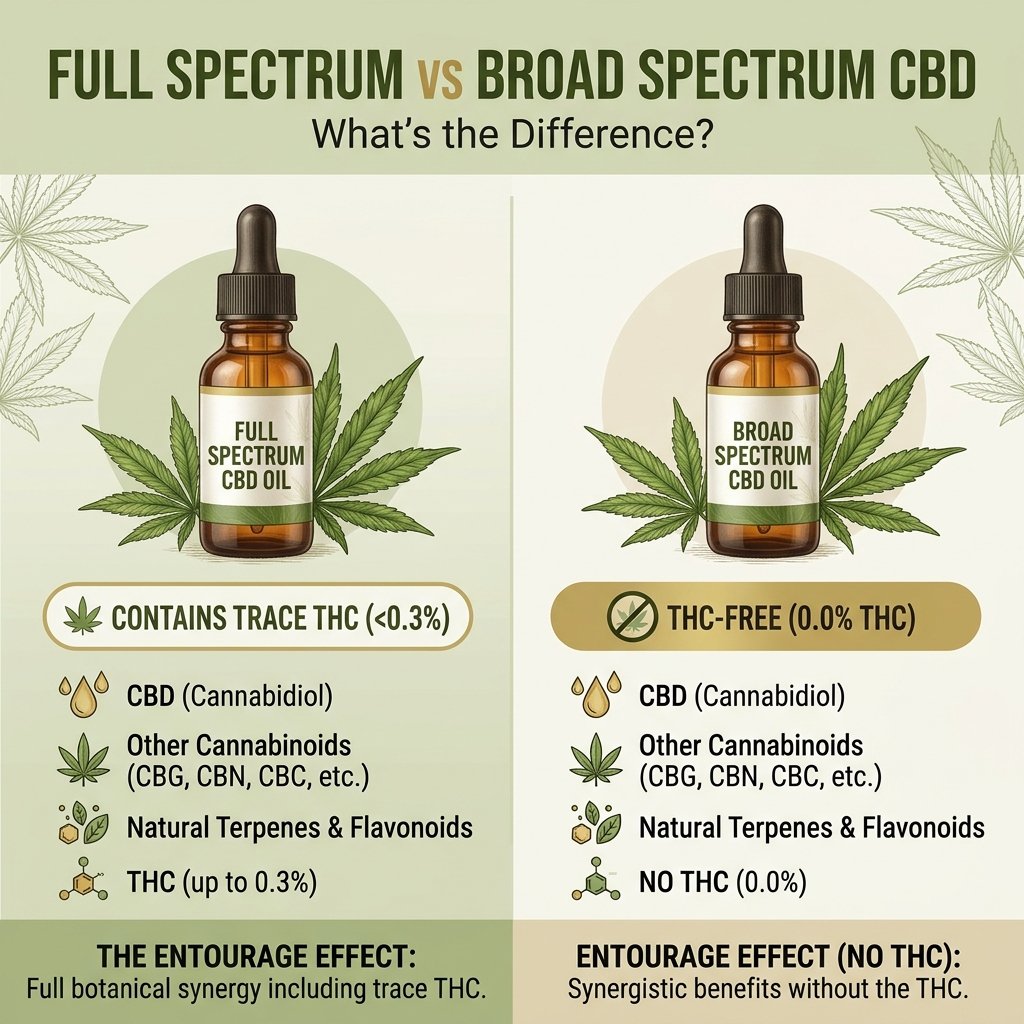
Full spectrum CBD quality is often praised because it keeps the many compounds found in the hemp plant. But these products also carry the most THC content in CBD, even if the amount is small. Broad spectrum CBD removes THC but keeps other plant compounds. CBD isolate is the most refined option, with CBD as almost the only ingredient.
None of these types is automatically better. The right choice depends on your goals, your need to avoid THC, and whether you have to pass a drug test. The table below sums up the main quality differences so you can compare them quickly.
Quality Differences Between CBD Product Types
| Product type | What it contains | THC content | Quality trade-off |
|---|---|---|---|
| Full spectrum | CBD plus many hemp compounds | Small amounts, often trace levels | Rich plant profile, but THC may show up on tests |
| Broad spectrum | CBD plus other compounds, with THC removed | Usually removed | Good balance for people avoiding THC |
| CBD isolate | Pure CBD with little else | None or near none | Very high purity, but no other plant compounds |
The Problem with Cheap and Counterfeit CBD
Low prices can be tempting, especially when you are buying CBD regularly. But Cheap CBD products often cut corners in ways that matter. The oil may be diluted, the testing may be skipped, or the extraction may be rushed. Some of these products are not safe to use at all.
Fake CBD products are also a real problem. Some sellers use bottles, labels, and websites that look professional but contain whatever ingredients are cheapest to buy. Counterfeit CBD oil can look just like a well known brand, which makes it harder to spot without checking the lab report and batch information.
Price and quality are related but not the same thing. CBD cost and quality should be judged together. Testing, extraction, and organic farming all cost money. A product that is much cheaper than others in the same strength and category may have skipped some of these steps. On the other hand, a high price tag does not guarantee good quality, so the lab report still matters most.
Low quality products can also cause problems on their own. CBD side effects from low quality products are often blamed on CBD itself, when the real issue was a contaminant or an inaccurate dose. If you feel unwell after using a product, check its lab results and speak with a doctor.
Dosage Accuracy and Bioavailability
If a product says it contains 1000 mg of CBD but actually contains far less, your dosing plan falls apart. That is why CBD dosage accuracy is a core part of quality. CBD potency testing confirms whether the label matches what is in the bottle. Without it, you cannot know whether you are taking a reasonable amount or a random one.
Quality also affects CBD bioavailability, which describes how much of the CBD your body actually absorbs and uses. Some oils are formulated to be absorbed more efficiently, while others pass through the body with little effect. Companies rarely explain this in detail, so it is worth asking whether they have data on absorption for their product.
Finding Trusted Brands and Safe Products
Looking for the Best CBD brands can feel overwhelming, but a few habits make the search easier. Start with companies that have clear, easy to find lab reports for each batch. Check whether the company explains its farming and extraction methods. Read CBD product reviews, but look for detailed feedback that mentions testing or results rather than vague praise.
Trusted CBD companies usually show a high level of CBD product transparency. They answer questions directly, publish their testing partners, and do not make medical claims they cannot support. If a brand avoids your questions or promises that its product cures serious conditions, it is best to look elsewhere.
Safe CBD products depend on real CBD safety testing, not on a claim printed on the box. Look for proof, not promises. A short, clear, and recent lab report is worth more than any slogan.
Making a Smart Choice
Quality matters because CBD is something you put into your body, often every day. Buying a product with a clear lab report, accurate labeling, clean ingredients, and honest sourcing protects your health and your wallet. It also makes it easier to know whether CBD is actually helping you.
Before you buy, take a few minutes to check the batch lab report, confirm the milligrams per serving, read the ingredients list, and look at how the company talks about its farming and extraction. If something seems unclear or too good to be true, trust that feeling and keep looking.
If you already use CBD, consider reviewing the products you have now. Compare them against the points in this article. If you are unsure about a product, or if you take other medications or have a health condition, talk with your doctor before continuing. A careful buyer is usually a happier and safer one.