
Over the past few years, a clear trend has become hard to miss. More and more people are moving away from THC products and choosing CBD instead. Some do it for their health, some just don’t want to feel high, and others want more control over their daily lives. In this article, we look at why this switch is happening, what CBD actually is, and what you should keep in mind before making the change.
CBD vs THC: What Is the Real Difference?
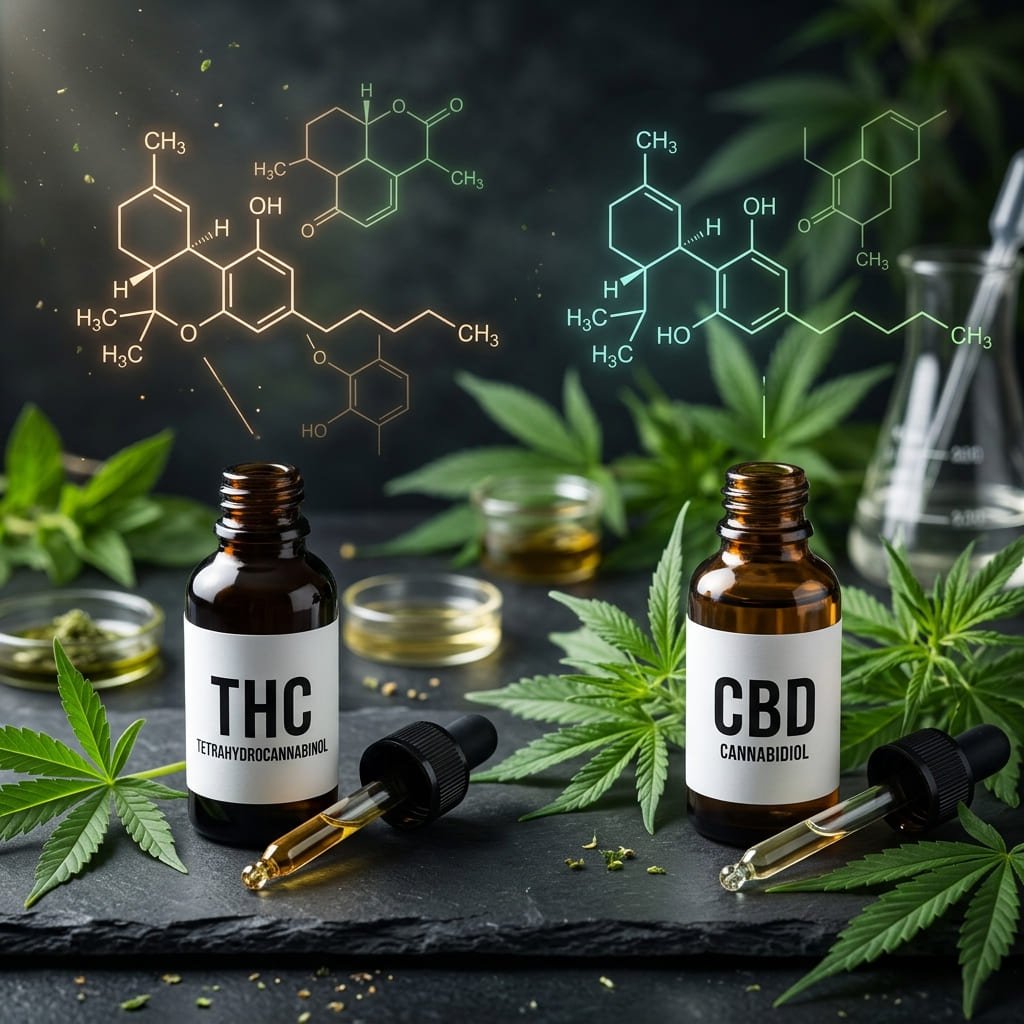
When people look at the CBD vs THC difference, the first thing to understand is that both compounds come from the cannabis plant, but they do very different things in the body. THC, or tetrahydrocannabinol, is the compound that gets people high. It binds directly to receptors in the brain, which changes mood, thinking, and how a person sees the world.
CBD, short for cannabidiol, is also found in cannabis. Non psychoactive CBD does not produce a high, so taking it will not get you high. That is the main reason many people look for CBD without getting high, especially when they still want some of the potential benefits of cannabis.
When people compare CBD vs marijuana, the biggest difference is the plant itself. Marijuana is the plant type that usually has high levels of THC. Most CBD on the market comes from hemp, which contains only trace amounts of THC. Hemp derived CBD is often treated differently under the law than marijuana, but the rules vary widely by country and region.
The THC Side Effects People Notice
For some people, the high is enjoyable. For many others, it causes problems. The most common complaint is THC anxiety. Some users feel restless, have a racing heart, or feel a wave of panic after using THC.
THC paranoia is another issue people describe. It can make you feel that others are watching you or judging you. That experience can be scary enough that some people avoid THC entirely afterward.
Memory is another concern. Many users report trouble remembering things or staying focused while under the effects of THC, especially with higher doses or long-term heavy use. Not everyone experiences this, but it is common enough that people notice it. Researchers continue to look at THC and memory to understand the effect better.
THC and mental health also deserve attention. If someone already has depression, anxiety, or another mental health condition, THC may make symptoms worse for some people. This is one reason doctors often recommend caution.
THC tolerance can creep in too. With regular use, you may need more THC to get the same effect, and that cycle can become hard to break.
When people try to stop, they sometimes deal with cannabis withdrawal symptoms. These can include trouble sleeping, irritability, changes in appetite, and restlessness. Symptoms usually last from a few days to a few weeks.
For some, regular use can turn into cannabis use disorder, where a person wants to cut back but finds it very hard. If you feel your use is getting out of control, talking to a doctor or counselor is a smart first step.
THC vs CBD: A Detailed Comparison
| Feature | THC | CBD |
|---|---|---|
| Psychoactive (gets you high) | Yes | No |
| Main source | Marijuana and high THC cannabis strains | Mostly hemp |
| Effect on mood | Can cause euphoria, but may trigger anxiety or paranoia | Not intoxicating; many users describe a calm feeling |
| Common side effects | Anxiety, paranoia, memory issues, dry mouth, increased heart rate | Drowsiness, appetite changes, diarrhea, dry mouth |
| Risk of tolerance | Can build up with regular use | Limited evidence of tolerance build-up |
| Withdrawal symptoms | Possible (sleep trouble, irritability, appetite changes) | Not commonly reported |
| Drug test impact | Usually detected | Usually not, but full spectrum products can cause a positive result |
| Common reasons people use it | Recreation, pain, appetite | Anxiety, sleep, pain, stress relief, skin care |
| Legal status | Varies widely; often restricted | Varies by country; hemp derived CBD is allowed in some places |
Why People Are Choosing CBD Instead
There is no single reason. Most people have a mix of motives. The most common one is anxiety. Many users say CBD for anxiety helps them feel calmer without the mental fog or racing thoughts that THC can bring on. Research is still early, but the first findings look promising.
Sleep is another big reason. Plenty of people struggle to fall asleep or stay asleep, and they look for a natural option. Some say CBD for sleep made a noticeable difference, and a few describe CBD for better sleep quality as the biggest change they noticed. Results still vary from person to person.
Pain relief is also common. People with joint pain, old injuries, or ongoing muscle tension often try CBD for pain relief. Some studies have looked at CBD for inflammation, and a few have found signs that it may help reduce swelling, though more human research is needed.
Stress is a big one too. Work pressure, family responsibilities, and daily routines can wear people down. CBD for stress relief appeals to people who want something gentle that doesn’t leave them feeling out of it.
Some people also report better focus. They say their thoughts feel less scattered and they can concentrate for longer. The evidence here isn’t firm yet, but CBD and focus is one reason many people give when they explain why they tried it.
For some, CBD also fits into a skin care routine. CBD for skin health is a growing area, and creams and lotions with CBD are popular. Users often describe a calming or soothing feeling, though results are not guaranteed.
Finally, some people see CBD as a medical cannabis alternative. They may live where THC products are hard to get, or they simply prefer an option that doesn’t affect their mind.
CBD for Epilepsy and the Story of Epidiolex
Epilepsy is where CBD has drawn the most serious attention. CBD for epilepsy has been studied for years, and one well-known example is Epidiolex. It is a prescription medicine based on CBD, approved to treat certain seizure disorders in some children and adults.
Epidiolex is a regulated drug, taken under a doctor’s supervision. It is not the same as the CBD oil or gummies you find in shops. Treating every CBD product as if it works like Epidiolex is a mistake.
If you or someone you love has epilepsy, don’t start CBD on your own. Talk to a neurologist first, since CBD can interact with some medications.
CBD Drug Test Concerns and Product Types
Many people wonder whether a CBD drug test will come back positive. The honest answer is that it depends on the product. The three main types of CBD carry different levels of risk.
Full spectrum CBD contains other compounds from the cannabis plant, including small amounts of THC. Broad spectrum CBD also has several plant compounds, but THC is usually removed. CBD isolate is pure CBD, with little or no THC or other compounds.
Because full spectrum products may contain some THC, they carry the highest risk of a positive test. Isolate products carry the lowest risk.
CBD Product Types and Drug Test Risk
| Product type | What it contains | THC content | Drug test risk |
|---|---|---|---|
| Full spectrum | CBD plus other cannabis compounds | Trace amounts possible | Highest |
| Broad spectrum | CBD plus other plant compounds | Usually removed | Low |
| CBD isolate | Pure CBD only | None or near none | Lowest |
| CBD tinctures | Depends on the type of extract used | Check the lab report | Depends on extract |
| CBD gummies | Usually isolate or broad spectrum | Varies by brand | Low to moderate |
Workplace drug testing CBD rules make this even more important. If your job tests regularly, read the label and check the third party lab testing CBD report carefully. Many employers don’t know much about CBD, so it can also help to talk with HR or your manager ahead of time.
A THC drug test works differently. THC metabolites can stay in the body for days or even weeks in regular users. If you switched from THC to CBD recently, keep that timing in mind before a test.
Understanding CBD Legal Status
CBD legal status varies from country to country and sometimes from state to state. In some places, hemp derived CBD is generally allowed. In others, strict limits apply, and in some areas CBD is only available for medical or research use.
In Pakistan and India, the situation is not always clear. The best source of current information is the latest official government notification or a qualified local lawyer. Acting on wrong information can cause problems, so checking first is always the safer move.
If you travel, check the rules of your destination before you pack any CBD. In many countries, carrying CBD products across a border can be treated as a serious offense.
How to Choose a Quality CBD Product
The CBD market is crowded, and not every product is worth buying. A few things matter most.
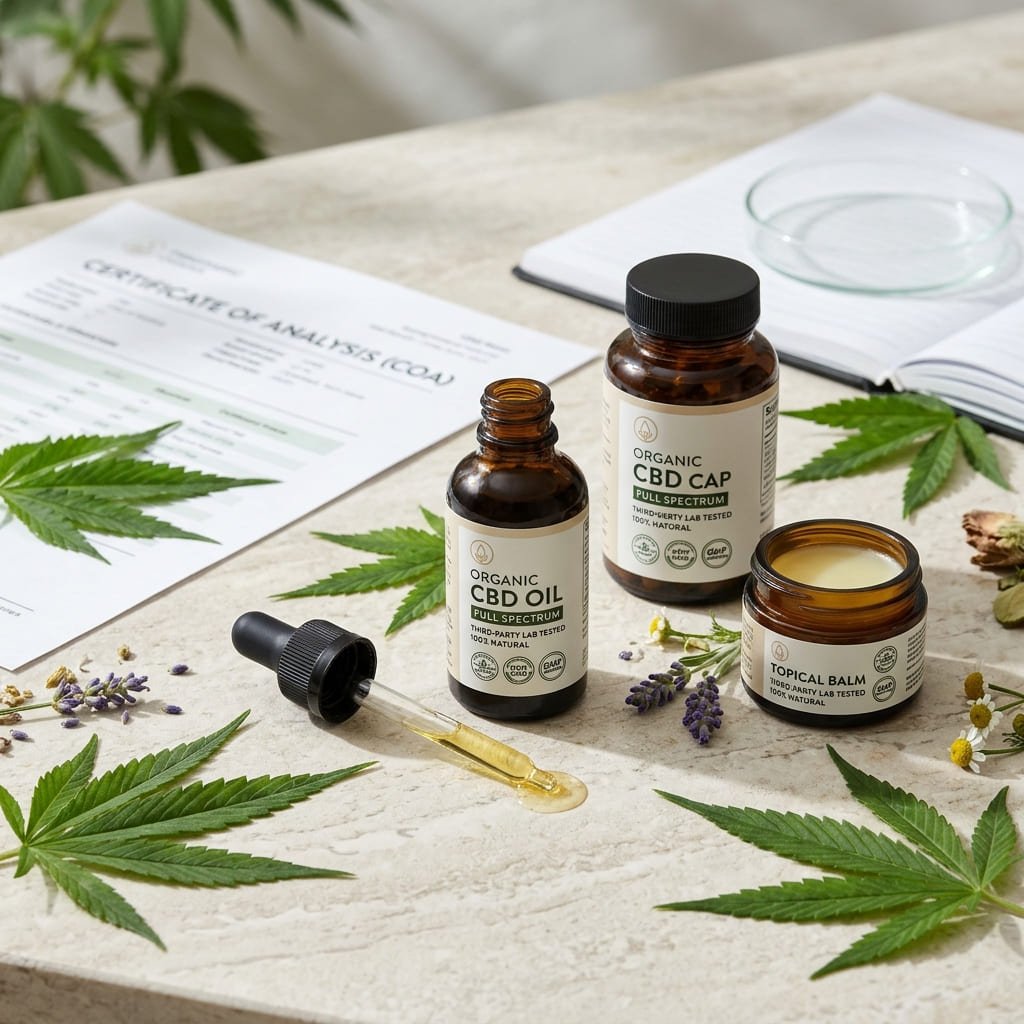
Start with CBD product quality. Good companies publish lab reports for their products. These reports show how much CBD and THC the product contains, and whether it has heavy metals or pesticides.
Look for third party lab testing. This means an independent lab tested the product, not the company itself. If a brand won’t show you its lab results, treat that as a warning sign.
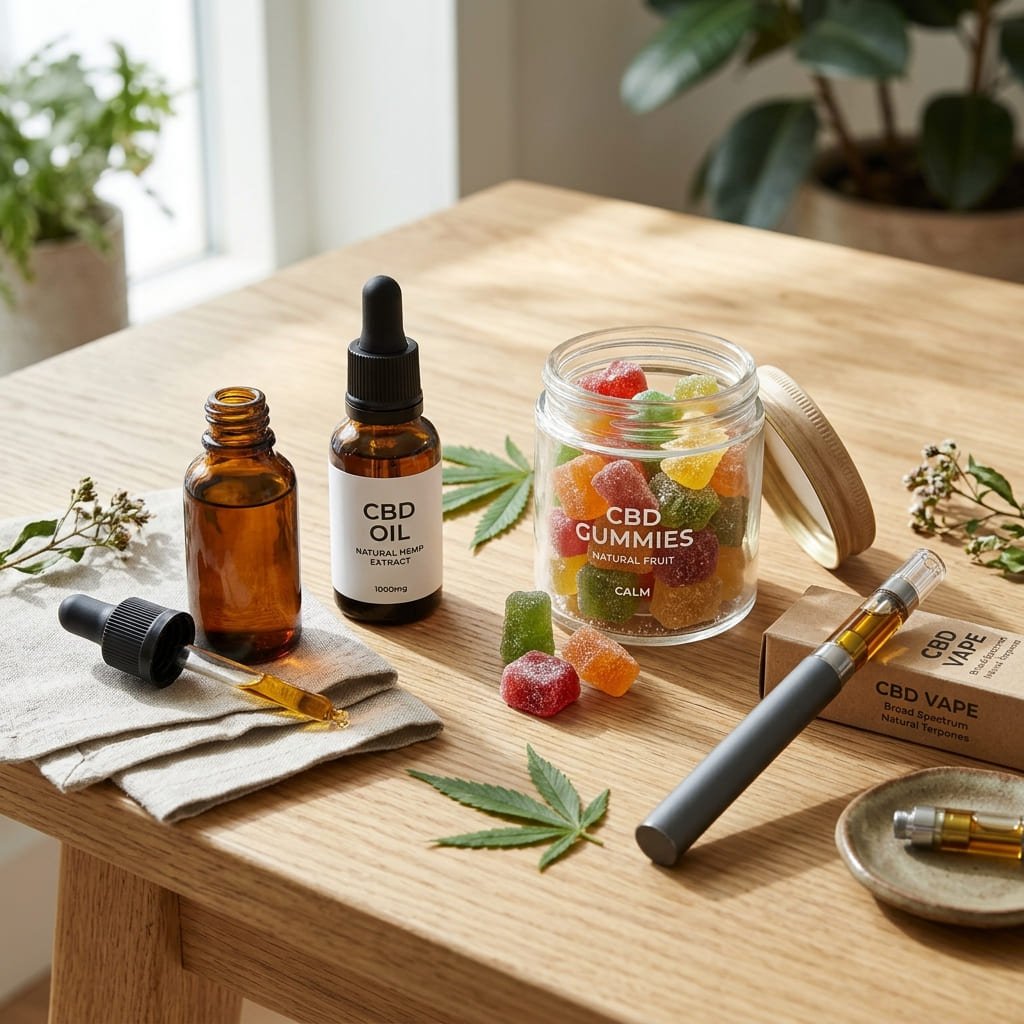
Product format also matters. CBD tinctures are usually sold in dropper bottles and taken under the tongue. CBD gummies are sweet and easy to take. CBD vape products exist, but vaping carries its own lung health concerns, so think carefully before choosing that option.
Dosage is important too. The right CBD oil dosage depends on the product’s strength, your body weight, and what you’re using it for. Most people start low and increase slowly. Follow the label, and use a general CBD dosage guide only as a starting point, not a rule.
Finally, consider CBD cost. Price often reflects quality, but a high price doesn’t guarantee a good product. Very cheap products can be a sign of poor quality, but expensive ones are not automatically better. Reading the lab report and ingredient list is the best way to decide.
CBD Side Effects and Precautions
CBD is generally considered safe for most adults, but that doesn’t mean it has no side effects. CBD side effects can include drowsiness, changes in appetite, diarrhea or loose stools, and dry mouth.
CBD can interact with certain medications, especially those processed by the liver. If you take a prescription drug, ask your doctor before starting CBD.
Pregnant and breastfeeding women should not use CBD without medical advice. The same goes for children. People with liver problems should also be extra careful.
Making the Switch Safely
Every person has their own reason for moving from THC to CBD. Some want relief from anxiety, some want better sleep, some are dealing with ongoing pain, and some simply want to avoid feeling high. CBD may help some of these people, but it is not a cure for everything, and it should not be treated as a replacement for proper medical care.
If you are thinking about making the change, start with a conversation with your doctor. Share your full medical history, list every medicine you take, and ask whether CBD is a reasonable option for your situation. This step matters even more if you have a heart condition, liver disease, a mental health diagnosis, or you are pregnant.
Next, take time to research the product itself. Choose a brand that publishes recent third party lab results, check the THC level, and read the ingredient list closely. Avoid products that make big promises without any evidence to back them up.
Keep track of how you feel. Writing down your dose, the time you took it, and any changes in sleep, mood, or pain can help you and your doctor see what is actually working. If something feels wrong, stop and get medical advice.
Research on CBD is still growing, and results can differ from one person to another. Be patient, stay informed, and remember that the goal is steady, safe progress. Taking one careful step at a time is usually the best way to make a lasting change.